قطعات بدنه ایرانخودرو | سایپا | فطعات بدنه 405،206،دنا،پرشیا،سمند،207،دنا پلاس،سورن،اچ سی کراس،ساندرو،آریسان

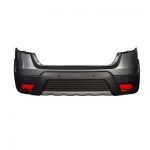
سپر عقب اچ سی کراس
سپر عقب بصورت خام و رنگی در فروشگاه خرید یدک موجود میباشد .
این محصول بصورت کاملا وارداتی و اصلی برای مشتریان عزیز ارسال خواهد شد .
سپر عقب h30 کراس در رنگ های سفید ،مشکی ،نقره ای ،خاکستری موجود میباشد..
این محصول را میتوانید به همراه دیگر قطعات اچ سی کراس از فروشگاه ما تهیه نمایید .
قیمت سپر عقب اچ سی کراس رنگی
قیمت محصول فوق توسط مدیر فروشگاه بصورت روزانه آپدیت خواهد شد .
دانگ فنگ H30 کراس
پس از سدان S30، در بهار سال 2014، خودروساز چینی “Dongfeng” هاچ بک H30 Cross را به بازار روسیه آورد که (به دلیل افزایش ترخیص خودرو و کیت بدنه پلاستیکی) در زیر کراس اوور تلطیف شده است.
درباره خودرو اچ سی کراس
در بازار حمل و نقل مسافر فدراسیون روسیه، خودروهای DFM هنوز “در شگفتی” هستند، بنابراین ما دلیل خوبی برای نگاه کردن به دانگ فنگ H30 کراس داریم و سعی می کنیم در آن اشاره ای به موفقیت احتمالی این برند در آن ببینیم. تسخیر قلب طرفداران روسی صنعت خودرو چین.
دونگ فنگ H30 کراس
نمای بیرونی Dongfenga H30 Cross “بر اساس خطوط” بدنه سدان Dongfeng S30 است ، اما سپر پنج بعدی سپر دیگری دریافت کرد ، یک جلوپنجره رادیاتور کمی تغییر یافته ، البته قسمت پشتی بازیافتی بدنه ، آسترهای پلاستیکی در آستانه، باران های اسپویلر و سقف.
در نتیجه، این خودرو که اساساً یک هاچ بک است، ظاهری به نام “شریک شهر پاریکال” پیدا کرد که به اتفاق آرا روزنامه نگاران را “شبه مدرسه” نامیدند.
دانگ فنگ H30 کراس.
طول دانگ فنگ H30 کراس 4351 میلیمتر، طول فاصله محوری جدید 2610 میلیمتر، عرض بدنه 1760 میلیمتر و ارتفاع 1528 میلیمتر از سر گرفته میشود.
حداقل ارتفاع لومن جاده (ترخیص) در دانگ فنگ H30 کراس 175 میلی متر است – که برای جاده های روسیه کاملاً خوب است و به وضوح با خریداران بالقوه مواجه خواهد شد.
جرم برش هاچ بک از 1240 کیلوگرم تجاوز نمی کند.
پنل جلو و کنسول DFM H30 Cross
سالن 5 نفره تقریباً به طور کامل از فضای داخلی سدان دانگ فنگ S30 کپی می کند ، بنابراین H30 Cross همان را دریافت کرد: پلاستیک “بی بو و خشن” ، روکش های پارچه ای ، پانل جلویی زیبا و …
سالن داخلی دانگ فنگ H30 کراس
فضای خالی کافی هم در ردیف جلو و هم در ردیف عقب صندلی ها.
مبل عقب
تفاوت اصلی با سدان: هرچه حجم صندوق عقب “در حالت استاندارد” کمتر باشد – می تواند 417 لیتر بار را در خود جای دهد ، اما بزرگتر با صندلی تاشو با ردیف عقب – تا 1137 لیتر.
محفظه بار H30 Cross
در زیر کاپوت “Pseudocrossover” خریداران روسی Dongfeng H30 Cross منتظر تنها یک نسخه از موتور هستند – یک واحد ردیفی 4 سیلندر 1.6 لیتری با تزریق سوخت توزیع شده و 16 سوپاپ GD نوع DOHC. این موتور قادر است بیش از 117 اسب بخار حداکثر قدرت در 6000 دور در دقیقه و همچنین 153 نیوتن متر گشتاور در 4000 دور در دقیقه تولید کند.
زیر کاپوت DFM H30 Cross
به عنوان یک PPA، چینی ها یک ماشین 5 سرعته “مکانیک” یا یک ماشین 4 باند “AISIN” اتوماتیک (با حالت های “ورزشی” و “زمستانی”) ارائه می دهند.
در حالت اول، حداکثر سرعت بیش از 183 کیلومتر در ساعت نخواهد بود و با “اتوماتیک” – 171 کیلومتر در ساعت. اطلاعات در مورد پویایی سازنده خودرو ساکت است.
اما میانگین مصرف سوخت در سیکل عملیاتی مختلط نباید از 7.0 لیتر بیشتر شود (مگر اینکه البته چینی ها جرات نکنند).
دانگ فنگ H30 کراس پلت فرم مشترکی با سدان S30 دارد. جلوی پنج در یک سیستم تعلیق مستقل با قفسه های مک فرسون و ترمزهای دیسکی تهویه شده دریافت می کند و این هاچ بک شبه ضربه ای مجهز به پرتو پیچشی و مکانیزم های ترمز دیسکی ساده است.
مکانیزم فرمان رک، به عنوان دستیار، یک پاورلیر الکتریکی دریافت کرد.
در ابتدا فقط نسخههای دیفرانسیل جلو دانگ فنگ H30 کراس در بازار روسیه ارائه میشوند، اما در چشمانداز سال، چینیها قول میدهند که اصلاحات چهارچرخ محرک را ارائه کنند.
دانگ فنگ H30 کراس، برای بازار روسیه، به طور رسمی در 28 آوریل 2014 معرفی شد و در ماه مه، این محصول جدید وارد سالن های فروشندگان شد … در سال 2017، ارزش آن در روسیه با علامت 599000 روبل شروع می شود.
در حال حاضر در پیکربندی اولیه، خودرو دارای: رینگ های آلیاژی 15 اینچی، مه، 4 ایربگ، تهویه مطبوع، یک ماشین الکتریکی گسترده، یک سیستم چندرسانه ای با نمایشگر 6.5 اینچی و پشتیبانی از سیستم های DVD / USB، ABS و EBD است. کامپیوتر داخلی، سنسور پارک و قفل مرکزی.


![egulation In most jurisdictions, bumpers are legally required on all vehicles. Regulations for automobile bumpers have been implemented for two reasons – to allow the car to sustain a low-speed impact without damage to the vehicle's safety systems, and to protect pedestrians from injury. These requirements are in conflict: bumpers that withstand impact well and minimize repair costs tend to injure pedestrians more, while pedestrian-friendly bumpers tend to have higher repair costs.[29] Although a vehicle's bumper systems are designed to absorb the energy of low-speed collisions and help protect the car's safety and other expensive components located nearby, most bumpers are designed to meet only the minimum regulatory standards.[30] International standards International safety regulations, originally devised as European standards under the auspices of the United Nations, have now been adopted by most countries outside North America. These specify that a car's safety systems must still function normally after a straight-on pendulum or moving-barrier impact of 4 km/h (2.5 mph) to the front and the rear, and to the front and rear corners of 2.5 km/h (1.6 mph) at 45.5 cm (18 in) above the ground with the vehicle loaded or unloaded.[26][31] Pedestrian safety European countries have implemented regulations to address the issue of 270,000 deaths annually in worldwide pedestrian/auto accidents.[14] Bull bars Specialized bumpers, known as "bull bars" or "roo bars", protect vehicles in rural environments from collisions with large animals. However, studies have shown that such bars increase the threat of death and serious injury to pedestrians in urban environments,[32] because the bull bar is rigid and transmits all force of a collision to the pedestrian, unlike a bumper, which absorbs some force and crumples. In the European Union, the sale of rigid metal bull bars that do not comply with the relevant pedestrian-protection safety standards has been banned.[33] Off-road bumpers Off-road vehicles often utilize aftermarket off-road bumpers made of heavy gauge metal to improve clearance (height above terrain), maximize departure angles, clear larger tires, and ensure additional protection. Similar or identical to bull bars, off-road bumpers feature a rigid construction and do not absorb (by plastic deformation) any energy in a collision, which is more dangerous for pedestrians than factory plastic bumpers. The legality of the aftermarket off-road bumpers varies by jurisdiction. United States Bumper regulations in the United States focus on preventing low-speed accidents from impairing safe vehicle operation, limiting damage to safety-related vehicle components, and containing the costs of repair after a crash.[34][35] First standards 1971 71 Dart Front Bumper L.jpg 74 Valiant Front Bumper.jpg 71 Dart Rear Bumper.jpg 74 Valiant Rear Bumper.jpg Front and rear bumpers on Chrysler A platform cars before (left, 1971) and after (right, 1974) the U.S. 5-mph bumper standard took effect. The 1974 bumpers protroude farther from the body and the rear one no longer contains the taillamps. In 1971, the U.S. National Highway Traffic Safety Administration (NHTSA) issued the country's first regulation applicable to passenger car bumpers. Federal Motor Vehicle Safety Standard No. 215 (FMVSS 215), "Exterior Protection," took effect on 1 September 1972—when most automakers would begin producing their model year 1973 vehicles.[36] The standard prohibited functional damage to specified safety-related components such as headlamps and fuel system components when the vehicle is subjected to barrier crash tests at 5 miles per hour (8 km/h) for front and 2.5 mph (4 km/h) for rear bumper systems.[37] The requirements effectively eliminated automobile bumper designs that featured integral automotive lighting components such as tail lamps. In October 1972, the U.S. Congress enacted the Motor Vehicle Information and Cost Saving Act (MVICS), which required NHTSA to issue a bumper standard that yields the "maximum feasible reduction of cost to the public and to the consumer".[38] Factors considered included the costs and benefits of implementation, the standard's effect on insurance costs and legal fees, savings in consumer time and inconvenience, as well as health and safety considerations.[36] The 1973 model year passenger cars sold in the U.S. used a variety of designs. They ranged from non-dynamic versions with solid rubber guards, to "recoverable" designs with oil and nitrogen filled telescoping shock-absorbers.[39] The standards were further tightened for the 1974 model year passenger cars, with standardized height front and rear bumpers that could take angle impacts at 5-mile-per-hour (8 km/h) with no damage to the car's lights, safety equipment, and engine. There was no provision in the law for consumers to 'opt out' of this protection.[36] Regulatory effect on design The regulations specified bumper performance; they did not prescribe any particular bumper design. Nevertheless, many cars for the U.S. market were equipped with bulky, massive, protruding bumpers to comply with the 5-mile-per-hour bumper standard in effect from 1973 to 1982.[36][40] This often meant additional overall vehicle length, as well as new front and rear designs to incorporate the stronger energy absorbing bumpers, adding weight to the extremities of the vehicle.[36][41] Passenger cars featured gap-concealing flexible filler panels between the bumpers and the car's bodywork causing them to have a "massive, blockish look".[42] However, other bumper designs also met the requirements. The 1973 AMC Matador coupe had free-standing bumpers with rubber gaiters alone to conceal the retractable shock absorbers.[42] "Endura" bumpers, compliant with the regulations yet tightly integrated into the front bodywork, were used on models such as the Pontiac Grand Am starting in 1973,[43] and the Chevrolet Monte Carlo starting in 1978, with significantly lower mass than heavy chromed-steel bumpers with separate impact energy absorbers.[44] United States (left) and rest-of-world (right) 1979 Mercedes 300SD 116.120.jpg Mercedes Benz W116 aka 280SE in Belgium.jpg BMW-535is.jpg BMW 525i E28 01.jpg Lamborghini Countach US spec 5000QV.jpg Lamborghini Countach (8014529631).jpg Front bumpers on Mercedes-Benz W116 (top), BMW E28 5 Series (middle), Lamborghini Countach (bottom). The U.S. bumpers are larger and protrude farther from the bodywork. The bumper regulations applied to all passenger cars, both American-made and imported. With exceptions including the Volvo 240, Porsche 911, and Rolls-Royce Silver Shadow, European and Asian automakers tended to put compliant bumpers only on cars destined for the U.S. and Canadian markets where the regulations applied. This meant their North American-spec cars tended to look different than versions of the same model sold elsewhere. U.S. bumper-height requirements effectively made some models, such as the Citroën SM, ineligible for importation to the United States. Unlike international safety regulations, U.S. regulations were written without provision for hydropneumatic suspension.[45] Zero-damage standards 1976 The requirements promulgated under MVICS were consolidated with the requirements of Federal Motor Vehicle Safety Standard Number 215 (FMVSS 215, "Exterior Protection of Vehicles") and promulgated in March 1976. This new bumper standard was placed in the United States Code of Federal Regulations at 49 CFR 581, separate from the Federal Motor Vehicle Safety Standards at 49CFR571. The new requirements, applicable to 1979-model year passenger cars, were called the "Phase I" standard. At the same time, a zero-damage requirement, "Phase II", was enacted for bumper systems on 1980 and newer cars. The most rigorous requirements applied to 1980 through 1982 model vehicles; 5 miles per hour (8 km/h) front and rear barrier and pendulum crash tests were required, and no damage was allowed to the bumper beyond a 3⁄8 in (10 mm) dent and 3⁄4 in (19 mm) displacement from the bumper's original position.[46] Freestanding 5-mph shock-absorbing zero-damage bump
er on 1976 AMC Matador coupe All-wheel-drive "cross-over" cars such as the AMC Eagle were classified as multi-purpose vehicles or trucks, and thus exempt from the passenger car bumper standards.[47] Stringency reduced in 1982](https://kharidyadak.com/wp-content/uploads/2021/08/جلو-پژو-405-زرد-سروصنعت-300x300.jpeg)